BBL HEROic Light therapy
BroadBand Light for sun spots, redness and uneven tone — quick sessions, little to no downtime, and results that build over a short course.
Key facts
- Who you’ll see
-
- Dr. Svetlana Tagaeva Medical Director
- Dr. Olga Ibrakova Cosmetology
- Dr. Daria Banina Cosmetology
- Where
- CREAMÉ, 350 Al Wasl Road, Jumeirah 1, Dubai
- Session
- 20–45 minutes for the face
- Numbing
- Usually not needed
- Downtime
- Little to none
- Course
- 3–5 sessions, 3–4 weeks apart
- Device
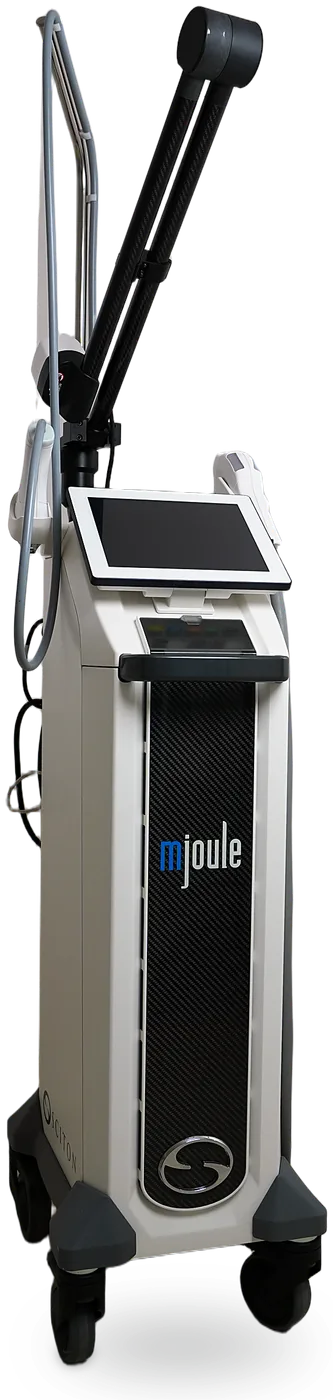
- BBL HEROic on the Sciton mJOULE, USA Broadband light, 420–1400 nm, through nine filters
BBL HEROic on the Sciton mJOULE, USA
Broadband light, 420–1400 nm, through nine filters
What BBL HEROic is for
Sun spots and pigmentation, redness and broken capillaries, the general dullness of skin that has lived in the sun. The scattered signs that arrive before lines do.
Concerns it may help with
How BBL HEROic works
BroadBand Light — pulsed light delivered through nine interchangeable filters covering 420–1400 nm, so the same device can target pigment, redness, or both. The light is absorbed by the spot or vessel, the body clears the damage, and the skin renews itself. The system tracks the handpiece over the skin and adjusts each pulse automatically, with a cooled sapphire plate keeping the surface comfortable.
A session, step by step
- We start with your concern, a look at your skin and its tone, photographs in the same light each time, and a check of your health, the medicines you take and any recent sun or tan.
- The skin is cleansed and your eyes are covered with shields or goggles; numbing cream usually isn't needed.
- The treatment usually takes 20 to 45 minutes for the face: the handpiece moves over the skin in passes, with the filter chosen for pigment, redness or both, and each pulse feels like a quick warm snap.
- Sunscreen before you leave; any warmth or redness usually settles within a few hours.
What to expect
How it feels
Around 20–45 minutes for the face. Each pulse is a quick warm snap, and the cooling does most of the comfort work — numbing cream usually isn't needed.
Downtime
Little to none. Some mild redness for a few hours; treated spots often darken first, then flake away over 5–10 days — that's the treatment working. Strict SPF afterwards, and no heat or strong actives for a few days.
How many sessions
A corrective course is usually 3–5 sessions, spaced 3–4 weeks apart, with visible change within 1–2 weeks of each. After that, one or two sessions a year keep tone even.
Who it may not suit
We go through your health and medicines first, because BBL HEROic may not suit you, or may need to wait, if any of these apply:
- You are pregnant or breastfeeding.
- You have a deep skin tone: light carries more risk of blistering and pigment change on deeper skin, so we assess first, and another treatment may suit you better.
- The area has a tan or a recent sunburn, or will be in strong sun in the weeks around treatment.
- You have taken isotretinoin or steroid tablets in the last six months, or used a retinoid, steroid or hydroquinone cream on the area in the last month.
- You take a medicine that makes your skin more sensitive to light, or have had seizures set off by light.
- There is an infection, a rash, dermatitis or broken skin in the area.
- You get cold sores, or have had shingles, in the area: treatment is still possible, with preventive antiviral medicine first.
- You tend to form keloid or raised scars, heal poorly, or get darker or lighter patches after a skin injury.
- You have vitiligo, eczema or psoriasis, a connective tissue disease such as lupus or scleroderma, or a weakened immune system.
- You have poorly controlled diabetes or blood pressure, a bleeding disorder, or take blood thinners.
- You have had radiotherapy to the area, are having chemotherapy, or have ever been treated with gold salts for arthritis or lupus.
- There is, or has been, a skin cancer in the area, or there is a large mole.
Risks and side effects
Common and short-lived: warmth and redness, like a mild sunburn, that usually settle within a few hours, and sometimes mild swelling. Treated spots darken first, then flake away over 5 to 10 days.
Less common: small crusts over treated spots or vessels, which settle without marks (in a study of broadband light for facial vessels, about one person in six had them), a little bruising, and a cold-sore flare in people who get them.
Uncommon, but important to know: blistering, darker or lighter patches, and rarely scarring, more likely on tanned or deeper skin or with sun soon after treatment. Careful settings, watching how your skin responds and strict sun protection lower these risks.
Broadband light can also reduce hair growth, so we take care around a beard or eyebrows you want to keep.
Aftercare
- Before each session, and for two weeks after, stay out of long sun: in Dubai that means beach days, desert trips, outdoor sport and travel somewhere sunny.
- Sunscreen every day from the day of treatment, broad-spectrum SPF 30 or higher, reapplied through the day, with a wide-brimmed hat outdoors.
- Wash with lukewarm water and a gentle cleanser, patting rather than rubbing; moisturise, and let darkened spots flake away on their own.
- Until the skin has healed, usually about a week: no hard workouts or heavy sweating, very hot or cold water, chlorinated pools or spas, shaving over the treated skin, scrubs, exfoliating acids or retinoids.
- If the skin feels hot in the first hours, a cool compress helps.
- Message us straight away if you notice blistering or broken skin, and keep it moist and out of the sun until we see you.
How pricing works
We don't publish prices. The cost depends on the area, from the face to the neck, chest, hands or body, and on the number of sessions your skin needs, which we decide together at the consultation. You know the full plan and its cost before you start, and we suggest only the sessions your concern calls for.
Our take
BBL is our workhorse for tone — pigment and redness — not a lifting or resurfacing device.
For melasma we go carefully and only on the physician's judgment, because light-based treatments can provoke it as easily as improve it. On deeper skin tones we assess first — sometimes a different device is the more suitable answer, and if so, that's what we'll recommend. As always: the shortest course that does the job.
Questions people ask
Does BBL HEROic help redness and rosacea?
It can. A systematic review of pulsed light for rosacea found that most studies showed less redness and fewer visible vessels, with side effects that passed, though most of the studies were of low quality. In a study of broadband light for facial vessels, rosacea responded better than isolated thread veins, and people who improved most after the first session needed fewer sessions in all. Rosacea is long-term, so we plan for maintenance.
Is BBL HEROic suitable for darker skin?
It depends on your skin tone. Its maker lists it for skin types I to V, and light-based treatments need more caution on tanned and deeper skin. We assess first; if MOXI or Sylfirm X suits your skin better, that's what we'll recommend.
Can I have BBL HEROic in the Dubai summer?
Yes, if the treated skin can stay out of direct sun for two weeks after each session, as the maker's aftercare asks. If your summer means beach days or travel, start once those are behind you; a fresh tan means we wait.
How long before an event should I have BBL HEROic?
Leave about two weeks before Eid, a wedding or photographs. Redness usually settles within hours, but treated spots darken first and take 5 to 10 days to flake away: that's the treatment working.
How is BBL HEROic different from MOXI?
BBL HEROic is pulsed light for visible spots and redness, usually with little to no downtime. MOXI is a laser that refreshes the surface for tone and texture, with a few days of bronzed, flaking skin. Some plans use both.
BBL vs IPL vs laser: what type of light is a BBL photofacial?
BBL is a form of intense pulsed light (IPL), not a laser. A laser gives light of a single wavelength; BBL HEROic gives a filtered flash across many, from 420 to 1400 nm, and its nine filters choose what the light reaches, mainly pigment and redness. “Photofacial” is a common name for pulsed light on the face, so a BBL photofacial and a “BBL laser” are the same treatment. It targets sun spots and visible vessels; it doesn't lift or resurface the skin.
How much does BBL HEROic cost in Dubai?
We don't publish prices. The cost depends on the area, from the face alone to the neck, chest, hands or the body, such as the arms or legs, and on the number of sessions your skin needs, which we decide together at the consultation. You know the full plan and its cost before you start, and we suggest only the sessions your concern calls for.
Where can I get a BBL HEROic photofacial or “BBL laser” in Dubai, and how do I choose a skin clinic?
At CREAMÉ, 350 Al Wasl Road, Jumeirah 1, where BBL HEROic is done by our doctors, Dr. Olga Ibrakova and Dr. Daria Banina, and Dr. Svetlana Tagaeva, the Medical Director, leads the clinic's medical work, energy-based treatments included. Wherever you go, ask who will treat you and check that they hold a current licence. Before the first pulse, expect questions about your skin tone, any recent sun or tan, the medicines you take and any cold sores or melasma, and expect to be told plainly if another treatment would suit your skin better.
How often can I have BBL HEROic, and how many sessions will I need?
Every three to four weeks during a course, usually three to five sessions, so a course runs over two to four months. After that, one or two sessions a year usually keep tone even. How many you need depends on what is being treated: in a study of pulsed light, small sun spots responded better than large patches, and freckles responded well. We plan the shortest course that does the job.
When do BBL HEROic results show, and how long do they last?
Change usually shows within one to two weeks of each session, once darkened spots have flaked away, and each session in the course usually lightens them further. How long results last depends mostly on the sun: Dubai sun goes on making new spots, pigment tends to creep back over a summer, and rosacea is long-term. Daily sunscreen and one or two sessions a year usually keep tone even.
What happens in the days after BBL HEROic, and what aftercare does it need?
Usually little downtime: on the day, warmth and redness like a mild sunburn usually settle within a few hours, sometimes with mild swelling, and in most cases you can wear make-up and go back to work. Over the next five to ten days, treated spots darken, then flake away on their own. Skin usually heals in about a week, longer on the body. Until then: gentle cleansing, moisturiser, daily SPF 30 or higher, no hard workouts, pools, scrubs or retinoids, and no long sun for two weeks.
What are the side effects and risks of BBL HEROic?
Most are mild and short-lived: redness and warmth for a few hours, sometimes mild swelling, and spots that darken before they flake. Less often there are small crusts, a little bruising, or a cold-sore flare in people who get them. Uncommon but important: blistering, darker or lighter patches and, rarely, scarring, more likely on tanned or deeper skin or with sun soon after. Pulsed light can also reduce hair growth, so we take care around a beard or brows, and your eyes stay shielded throughout.
Does BBL HEROic work, and is it worth it?
For uneven tone, it usually does: sun spots and freckles tend to lighten, and redness and broken capillaries can fade, with little downtime for most people. In a study of pulsed light for sun spots and freckles, about half the people treated saw their pigment lighten by more than half. Whether it's worth it depends on your concern: it is a treatment for tone, not for lifting or resurfacing, so for firmness or texture we'll suggest another treatment rather than more sessions.
BBL HEROic or microneedling: which suits acne scars or melasma?
Usually radiofrequency microneedling, which here means Sylfirm X. It works beneath the surface without relying on the skin's colour, suits all skin tones after assessment, and is usually the doctor's choice for melasma, stubborn pigment and acne scarring, after numbing cream, and for most people it leaves a day or two of pinkness. BBL HEROic is for visible spots and redness, not resurfacing, and with melasma, light can provoke pigment as easily as clear it. Active breakouts are calmed first, usually with LED light and a deep cleanse.
Does BBL HEROic hurt?
Usually only a little: each pulse feels like a quick warm snap, which the maker likens to a rubber band, and the cooled sapphire plate does most of the comfort work. Numbing cream usually isn't needed, though the doctor can use it if you prefer. Afterwards the skin can feel warm, like a mild sunburn, for a few hours, and a cool compress helps. Tell us during the session if a pulse feels too strong, and we can adjust the settings.
Can I have BBL HEROic during pregnancy or while breastfeeding?
No, it waits. Pregnancy and breastfeeding are on our list of reasons to postpone BBL HEROic, so we plan a course for after you have finished breastfeeding. Pregnancy can also bring on melasma, which light can provoke as easily as clear, so the doctor looks at your skin again before the first session. Until then, daily broad-spectrum sunscreen, a hat and shade carry the plan.
Sources
- Pilot evaluation of Smart vs HERO broadband light treatment for pigmented skin lesions (Sciton protocol BBLCIP002). ClinicalTrials.gov NCT04936919.
- Sciton. BBL patient pre- and post-care instructions (2600-023-12 Rev. A). 2018.
- Sciton. BBL HEROic by Sciton: features and questions.
- Husain Z, Alster TS. The role of lasers and intense pulsed light technology in dermatology. Clin Cosmet Investig Dermatol. 2016;9:29–40.
- Martignago CCS, Bonifacio M, Ascimann LT, et al. Efficacy and safety of intense pulsed light in rosacea: a systematic review. Indian J Dermatol Venereol Leprol. 2024;90(5):599–605.
- Dursun P, Gezmen S, Acik AF, Yanpar Erdem G, Yazici A. Real-world broadband light treatment strategies and early treatment response in facial vascular lesions: a retrospective observational study. Dermatol Ther (Heidelb). 2026, online ahead of print.
- Kawada A, Shiraishi H, Asai M, et al. Clinical improvement of solar lentigines and ephelides with an intense pulsed light source. Dermatol Surg. 2002;28(6):504–508.
Updated 27 October 2026