

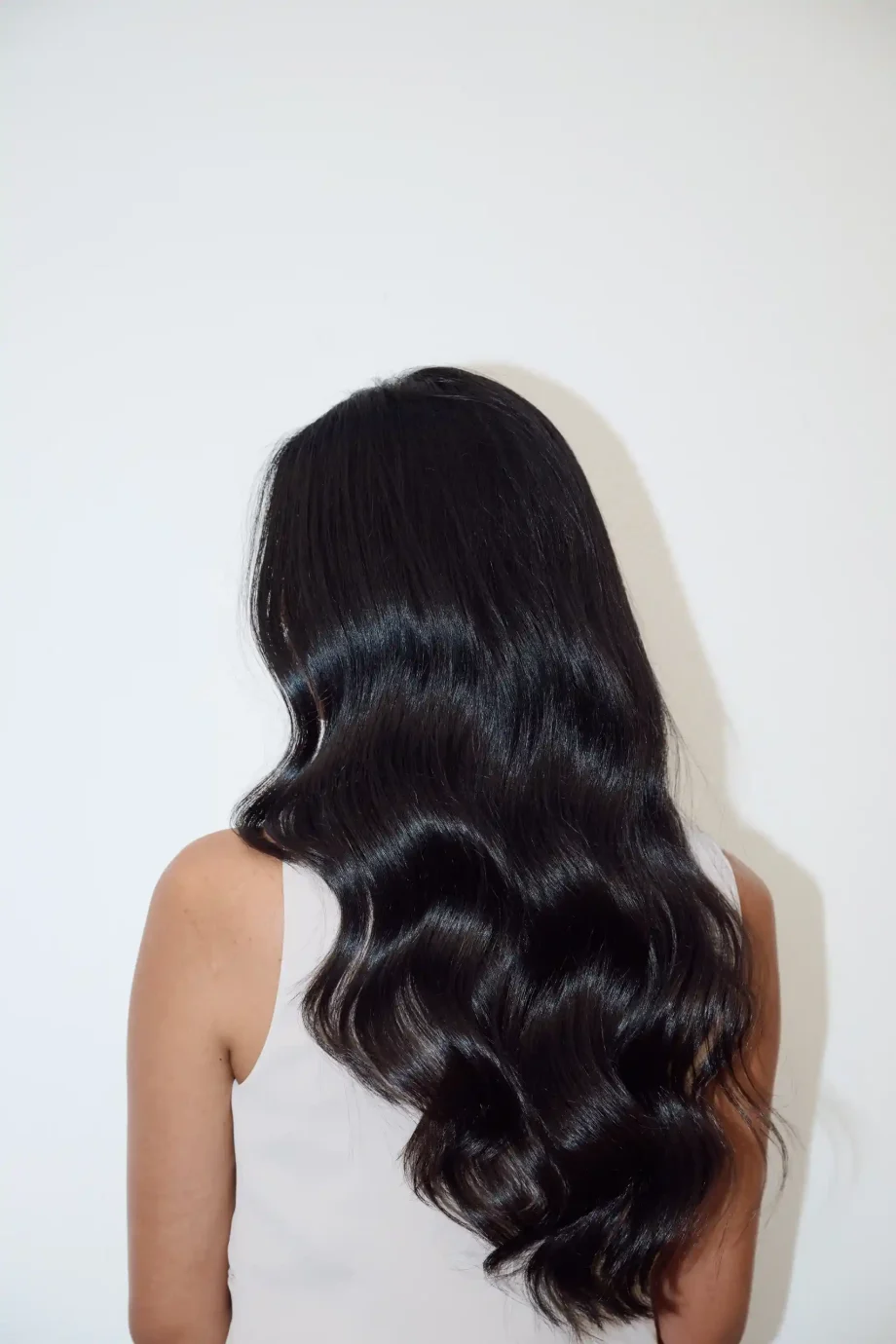
Hair rebonding is one of the most popular and most significant chemical treatments available in a professional salon. For those with frizzy, wavy, or curly hair who dream of permanently smooth, straight, and manageable hair, it can be genuinely life-changing. But it is also a treatment that demands serious technical expertise, high-quality products, and a thorough understanding of the individual hair’s condition and history.
In Dubai — where the climate makes frizz and humidity-related hair challenges a daily reality for many — the demand for professional rebonding services is consistently high. And yet, the quality of rebonding work varies enormously from salon to salon. Choosing the wrong place for this treatment can result in damage that takes months or years to grow out.
In this article, we explain exactly what hair rebonding is, how it works, what the process involves, who it is suitable for, and what to look for when searching for the best hair rebonding salon near you in Dubai.
What Is Hair Rebonding?
Hair rebonding is a permanent chemical straightening treatment that works by breaking down and restructuring the internal bonds of the hair. Every strand of hair contains disulfide bonds — chemical links within the hair’s protein structure that determine its natural shape, whether straight, wavy, or curly. Rebonding permanently alters these bonds, allowing the hair to be restructured into a smooth, straight form that remains until it grows out.
The result is hair that is permanently straight at the treated lengths — silky, smooth, and significantly more manageable than before. Unlike temporary straightening methods such as blow-drying or flat iron styling, rebonding does not revert when the hair is exposed to moisture or humidity. This makes it a particularly appealing option in Dubai’s climate, where humidity and heat can make daily styling a significant challenge.
It is important to understand that rebonding is a permanent treatment. The straightened hair will remain straight until it grows out or is cut off. New growth will continue to reflect the hair’s natural texture, which means regular touch-up appointments will be needed to treat the regrowth as the hair grows.
How the Rebonding Process Works
Professional hair rebonding is a multi-step process that requires skill, precision, and careful timing at every stage. Understanding what is involved helps set realistic expectations and underscores why the choice of salon matters so greatly.
Consultation and Hair Assessment
A responsible rebonding appointment always begins with a thorough consultation. The stylist assesses the current condition of the hair — its porosity, density, and structural integrity — as well as its colour and chemical treatment history. This assessment is essential: hair that has been significantly lightened, bleached, or previously chemically treated may not be suitable for rebonding, or may require a modified approach to minimise the risk of damage.
The consultation is also the moment to discuss realistic expectations. Rebonding produces a very straight, smooth result — and this should be something the client genuinely wants, rather than a decision made impulsively.
Application of the Relaxer Cream
The first chemical step involves applying a relaxer or softening cream to the hair. This product works by breaking the disulfide bonds within the hair shaft, temporarily softening the hair’s structure and making it malleable. The cream is left on the hair for a carefully monitored period — the timing varies depending on the hair type, density, and condition. Over-processing at this stage is one of the most common causes of damage in poorly executed rebonding treatments.
Straightening with Heat
Once the relaxer has been processed, the hair is rinsed thoroughly and blow-dried. The stylist then uses a flat iron — section by section, with precision and consistency — to straighten the softened hair into its new form. This step requires patience and technical skill: the temperature must be appropriate for the hair type, and every section must be worked through evenly to ensure a uniform result.
Application of the Neutraliser
Following the flat iron straightening, a neutraliser is applied to the hair. This product works by reforming the disulfide bonds in their new, straight configuration — locking the hair permanently into its restructured form. The neutraliser must be applied correctly and left for the appropriate amount of time: under-processing at this stage can result in a result that does not hold, while over-processing can cause unnecessary stress to the hair.
Finishing and Aftercare Guidance
The treatment concludes with a thorough rinse, the application of a nourishing finishing treatment to seal the cuticle and restore shine, and a detailed aftercare briefing. The specialist will explain exactly how to care for the hair in the days and weeks following the treatment — what products to use, what to avoid, and how to protect the result.
Who Is Hair Rebonding Suitable For?
Hair rebonding is suitable for a wide range of hair types — but it is not appropriate for everyone, and a responsible salon will always be honest about this.
The treatment works best on hair that is in reasonably good condition, has not been heavily bleached or lightened, and has sufficient structural integrity to withstand the chemical process. Those with frizzy, wavy, or naturally curly hair who want a permanently smooth and straight result are typically the best candidates.
Rebonding is generally not recommended for hair that is already significantly damaged, over-processed, or very fine and fragile. It is also not suitable for recently bleached hair, as the combination of bleach and the chemical rebonding process places too great a stress on the hair structure. In these cases, a knowledgeable stylist will recommend an alternative approach — perhaps a gentler smoothing treatment — and develop a plan to strengthen the hair before any chemical work is considered.
Pregnant women are typically advised to avoid chemical hair treatments, including rebonding, as a precaution — and a responsible salon will always raise this consideration during the consultation.
Rebonding vs. Other Smoothing Treatments: Understanding the Difference
Rebonding is frequently compared to other professional smoothing treatments — most commonly keratin treatments and Japanese straightening. Understanding the differences helps clarify which option may be most appropriate for any given individual.
Keratin treatments work by coating the hair with a keratin-based formula that temporarily smooths the cuticle and reduces frizz. They do not chemically alter the bond structure of the hair, which means the results are not permanent — typically lasting between three and six months depending on the hair type and home care routine. Keratin treatments are generally gentler than rebonding and are suitable for a wider range of hair conditions, including lighter or more fragile hair.
Japanese straightening — also known as thermal reconditioning — is similar to rebonding in that it permanently restructures the hair’s bonds. It tends to produce an extremely sleek, pin-straight result and is known for its longevity. The process is highly technical and requires specific training and products.
Rebonding, in the context most commonly used across the UAE and wider region, typically refers to a permanent straightening process using a relaxer and neutraliser system. It is highly effective for thick, resistant, or very frizzy hair types and produces a smooth, straight result that is long-lasting and low-maintenance once the aftercare period has passed.
A knowledgeable stylist will help determine which of these options is most appropriate based on the individual’s hair type, condition, and desired outcome.
The Importance of Aftercare
Beyond the initial period, rebonded hair requires specific ongoing care. Sulphate-free shampoos and deeply conditioning treatments are essential to maintain the moisture balance of the hair, which can be affected by the chemical process. Heat protection should always be used if any additional heat styling is applied. Regular nourishing treatments — whether at home or in the salon — help maintain the health, shine, and smoothness of the rebonded hair over time.
Dubai’s climate adds additional considerations. Prolonged sun exposure can dry out rebonded hair and reduce its shine over time. UV-protective hair products, as well as regular conditioning treatments, are particularly important for maintaining the quality and appearance of the result in this environment.
At Creamè, every rebonding appointment concludes with a detailed and personalised aftercare briefing — so that every client leaves with a clear understanding of how to care for their hair and protect their result.
Why the Choice of Salon Matters So Much
Of all the professional hair treatments available in a salon, rebonding is among those where the stakes are highest. Because it is a permanent chemical process, the consequences of a poorly executed treatment are not easily or quickly undone. Damage caused by incorrect product selection, improper timing, or inadequate aftercare can leave the hair weak, brittle, and prone to breakage — requiring significant time, care, and investment to restore.
This is why the choice of salon for a rebonding treatment is not a decision to be made lightly. The stylist performing the treatment must have genuine expertise in the process — a thorough understanding of hair chemistry, experience working with diverse hair types, and the technical precision to execute every step correctly.
The products used matter enormously. Professional, high-quality rebonding systems are formulated to achieve effective results while minimising stress to the hair structure. Lower-quality products — often used in salons that compete primarily on price — may produce an acceptable initial result but cause damage that becomes apparent over time.
The Creamè Approach to Hair Rebonding
At Creamè Beauty Villa in Dubai, hair rebonding is performed with the level of care and precision that a permanent chemical treatment demands. Our specialists bring genuine expertise in chemical hair services — with a thorough understanding of hair structure, bond chemistry, and how to achieve lasting results without compromising the health of the hair.
Every rebonding consultation at Creamè is conducted with complete honesty. We assess the hair carefully, discuss the client’s history and expectations in full, and provide a transparent recommendation — including, where necessary, an honest assessment that the hair is not currently in a condition suitable for rebonding, and a plan to address this before proceeding.
We use only professional, premium-grade rebonding systems — selected for their efficacy, their safety profile, and their compatibility with a wide range of hair types. Our process is methodical and unhurried: every step is executed with precision and monitored carefully to ensure the best possible outcome.
Following the treatment, our specialists provide each client with a comprehensive and personalised aftercare plan — covering the immediate post-treatment period and the ongoing care routine needed to maintain the health, smoothness, and longevity of the result.
In Summary
Hair rebonding, when performed correctly by a skilled and experienced specialist, is a transformative treatment — one that can dramatically simplify the daily hair routine and deliver smooth, manageable, beautiful hair in even the most challenging climate conditions.
But it is also a treatment that demands respect: for the chemistry involved, for the condition of the individual’s hair, and for the expertise required to execute it safely and effectively.
If you are searching for the best hair rebonding salon near you in Dubai — a place where the treatment is performed with genuine skill, premium products, and a genuine commitment to the health of your hair — we invite you to book a consultation at Creamè Beauty Villa.